Whether you are navigating the high-speed, multi-lane stretches of the New Jersey Turnpike, winding through the dense, historic streets of Jersey City, or taking a scenic summer drive down the Garden State Parkway toward the Shore, you share the road with millions of registered vehicles in one of the most densely populated states in the country. With this sheer volume of daily traffic, ranging from daily commuters to massive commercial trucks, situations frequently emerge where you might feel an urgent need to know more about a specific vehicle and the person behind its wheel.
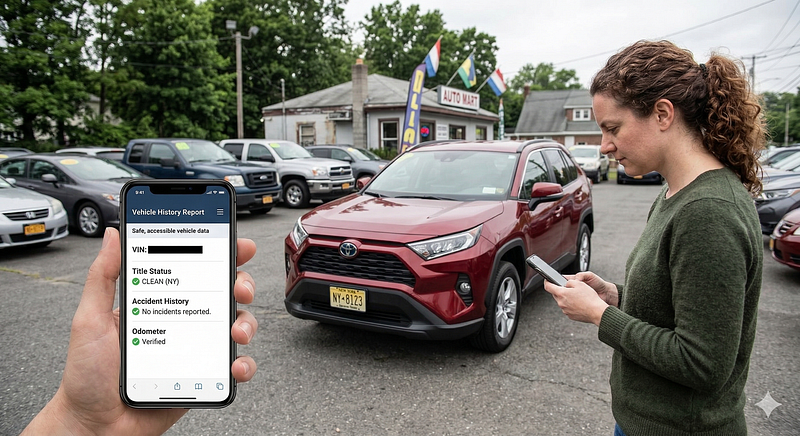
Perhaps you witnessed a sudden, jarring hit-and-run collision in a crowded Paramus mall parking lot, noticed an unfamiliar and highly suspicious vehicle repeatedly idling near your suburban property, or you are simply trying to verify the true identity of a private seller before buying a used car in Cherry Hill. Your first instinct in any of these stressful scenarios is naturally to memorize or photograph the vehicle’s license plate. But can you actually execute a New jersey license plate lookup owner search to find out exactly who holds the vehicle’s title and where they reside?
The concept seems entirely logical on the surface. After all, the state issues these highly visible, reflective metal plates specifically so vehicles can be easily identified by the general public, toll plaza cameras, and law enforcement alike. However, the reality of obtaining personal ownership information from a license tag in New Jersey is incredibly complex, heavily governed by a strict, overlapping framework of both federal and state privacy statutes. This comprehensive guide will break down exactly what is legally possible, what is strictly forbidden, and how you can safely gather the vital vehicle information you actually need without crossing any legal boundaries.
The Federal Privacy Shield: The DPPA
To understand why you cannot simply type a New Jersey license tag into a web browser and instantly receive a driver’s home address, you must first look at the federal protections that govern motor vehicle records across all fifty states in the country.
In 1994, the United States Congress passed the Driver’s Privacy Protection Act (DPPA). This sweeping federal legislation was enacted in direct response to several tragic, high-profile criminal cases where individuals — including stalkers, overzealous private investigators, and violent criminals — easily obtained home addresses from state motor vehicle departments for a small administrative fee to track down and harm their victims.
The DPPA establishes a nationwide, virtually impenetrable shield over what is legally defined as “personal information” connected to motor vehicle and driver records. This highly protected, sensitive data includes the vehicle owner’s full legal name, residential home address (excluding the five-digit zip code), telephone number, Social Security Number, medical information, and driver’s license photograph.
This federal law is absolute and unwavering. Even if you are the victim of a property crime and have a perfect memory of the license plate that just destroyed your landscaping, you absolutely cannot use that alphanumeric combination to bypass the legal system and find the driver’s personal home address online. The law is explicitly designed to prioritize the physical safety, security, and privacy of all citizens over private, independent investigations, regardless of how justified or urgent your search may feel in the moment.
New Jersey State Regulations and the MVC
In the Garden State, the New Jersey Motor Vehicle Commission (MVC) is the official government agency responsible for processing, managing, and maintaining all vehicle registrations, title records, and driver data. The MVC strictly enforces the federal DPPA and reinforces it with the state’s own stringent administrative protocols and privacy statutes, specifically N.J.S.A. 39:2–3.3 et seq.
New Jersey takes data privacy incredibly seriously. If you walk into a local MVC agency or go online hoping to run a quick search to satisfy your curiosity or resolve a private grievance with a neighbor, your request will be swiftly and decisively denied. New Jersey law strictly prohibits the release of sensitive personal information to the general public for non-official, unapproved reasons. In fact, knowingly obtaining or disclosing this information for an unauthorized purpose is classified as a crime of the fourth degree in New Jersey.
Because finding an owner’s personal details is legally restricted, a massive market of predatory websites has emerged on the internet. It is vital to be highly cautious of third-party websites that promise to provide you with private names, addresses, and phone numbers for a “small fee.” These sites are almost always operating illegally, utilizing outdated databases, or running phishing scams designed to steal your credit card details. Attempting to access protected records without proper authorization carries severe consequences, including substantial fines and potential civil lawsuits.
Permissible Uses: Who Can Actually See the Data?
While the personal data system is locked tightly against the general public, it is not entirely impenetrable. The DPPA and New Jersey state law recognize that a functional, safe society needs regulated avenues to manage accidents, enforce traffic laws, collect tolls, and maintain commerce. Therefore, the law includes specific “permissible uses” that grant authorized entities legal access to personal ownership data:
- Law Enforcement Agencies: Police officers, state troopers, and federal agents have immediate, secure access to vehicle records to conduct active criminal investigations, respond to emergencies, and enforce traffic laws safely.
- Insurance Companies: Licensed auto insurance providers can legally access records to investigate accident claims, determine liability after a crash, and combat organized insurance fraud rings.
- Legal Proceedings: Attorneys and courts can obtain vehicle owner information through official subpoenas when the data is strictly necessary for a pending civil, criminal, or arbitral proceeding.
- Tolling Agencies: With cashless tolling on major routes like the Turnpike, toll authorities have automated access to vehicle records to mail invoices and violation notices directly to registered owners.
- Towing and Impound Operators: Licensed commercial towing companies are permitted to look up owners in order to legally notify them that their vehicle has been towed and where it is currently being held.
- Licensed Private Investigators: Private investigators can access this data, but only if they are operating strictly within one of the federally recognized permissible uses and hold the proper credentials.
What Information Can You Legally Uncover?
Just because you cannot discover the owner’s personal identity does not mean a license plate is useless to a private citizen. In fact, if you are navigating the massive New Jersey used car market, a legal license plate lookup is one of the most powerful and necessary tools you have at your disposal to protect your physical safety and your financial investments.
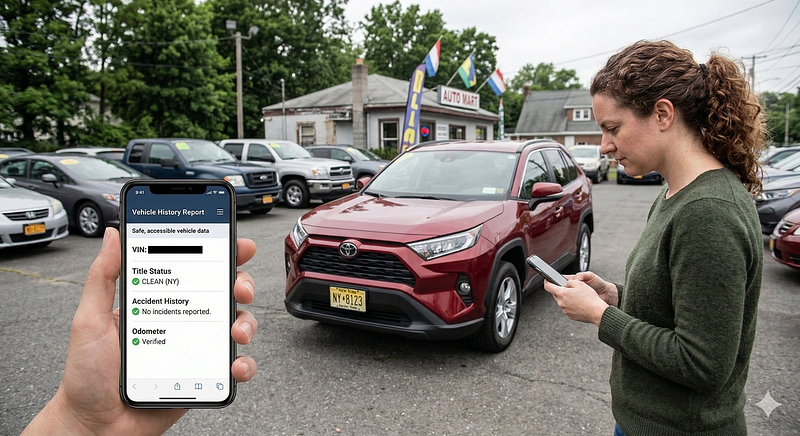
When you use authorized, legal channels to look up a vehicle, the license plate number is securely converted into the Vehicle Identification Number (VIN). This unlocks a comprehensive, legally accessible Vehicle History Report that focuses strictly on the machine itself, rather than the person who currently drives it.
A proper, legal vehicle history report in New Jersey will typically reveal:
- Title Brands and Status: This is crucial for used car buyers. It shows if the MVC (or another state) has ever issued a “Salvage” or “Rebuilt” title. Most importantly for New Jersey, it flags flood damage — vital information given the history of severe weather events like Hurricane Sandy that flooded thousands of vehicles.
- Accident History: It details reported collisions, airbag deployments, and significant structural damage that might affect the vehicle’s long-term safety, alignment, and resale value.
- Odometer Checks: It verifies the historical mileage recorded at various service intervals and MVC inspections to ensure the seller hasn’t illegally rolled back the odometer to inflate the vehicle’s asking price.
- Lemon Law History: New Jersey has strong Lemon Law protections. A report can show if the vehicle was bought back by the manufacturer due to persistent, unrepairable defects.
- Registration Verification: It confirms that the car has an active, valid registration and has not been reported stolen to local police authorities.
The Best Legal Route for Your Lookup
If you need to investigate a vehicle’s background in New Jersey, you must follow the proper legal paths. For standard vehicle history checks — especially before purchasing a used car, truck, or SUV from an independent lot or a private seller — the best and safest route is to use an authorized online vehicle history platform.
These services aggregate millions of data points from salvage yards, auto auctions, and insurance companies across the country, compiling them into an easy-to-read report without violating state or federal privacy laws. For a fast, reliable, and legally compliant way to check a vehicle’s history in the state, you should visit https://newjerseylicenseplate.com/. This dedicated service allows you to get the crucial mechanical and legal history of a car safely, ensuring you make a smart investment without crossing any legal boundaries or falling for dangerous internet scams.
Handling Emergencies and Crimes
What if your need for a vehicle lookup isn’t about buying a car, but rather an emergency, a crime, or a severe safety hazard on the road? The procedure is incredibly simple: let the professionals handle it immediately.
If you are the victim of a hit-and-run, immediately document the license plate number, the make, model, and color of the car, and any description of the driver or the direction they were heading. Provide this information directly to your local police precinct as soon as possible. Law enforcement has the legal tools, the jurisdictional authority, and the specialized training to track down the vehicle owner and conduct a proper investigation. Taking matters into your own hands by trying to circumvent privacy laws to confront a driver is both highly dangerous and entirely illegal.
Final Thoughts
Navigating the complex rules surrounding motor vehicle records can seem incredibly frustrating, especially when you are trying to resolve an immediate personal issue or make a major financial decision like purchasing a vehicle. However, the strict restrictions enforced by the federal DPPA and the New Jersey MVC are absolutely essential for protecting the privacy, security, and physical safety of everyone on the road.
While a private citizen cannot legally perform a search to find a personal name and home address based solely on a plate number, you are certainly not without excellent options. By utilizing trusted, authorized services to uncover a vehicle’s mechanical, accident, and title history, you can gather the exact information you need to make informed, safe decisions. Rely on the legal tools available to you to protect your investments, and leave the personal identity investigations to the proper authorities.